
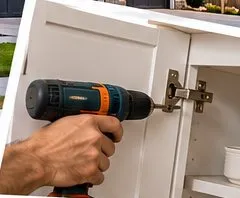
When temperatures drop hard, pipes in exterior walls, crawl spaces and unheated rooms are the first to freeze. A few minutes of prevention beats a flooded floor.
Where pipes freeze
- Kitchen and bathroom sinks on exterior walls
- Crawl spaces, garages and unheated mechanical rooms
- Lines above drop ceilings close to the roof
- Outdoor spigots and irrigation lines that weren’t drained
- Vacant units or offices with the heat turned down
Prevent it
- Keep the heat on in every space with plumbing, including vacant units, and don’t set thermostats too low at night or over a weekend.
- Open cabinet doors under sinks on exterior walls so warm air reaches the pipes.
- Let a faucet drip on the coldest nights. Moving water is slower to freeze.
- Insulate exposed lines with foam pipe sleeves, and seal drafts where cold air gets in.
- Disconnect hoses and drain outdoor spigots. See the full winterizing checklist.
- Find your main shut-off now and make sure everyone who might need it knows where it is.
If a pipe freezes
- Turn off the water at the main shut-off or the nearest valve.
- Open the faucet the line feeds so water and steam can escape as it thaws.
- Warm the pipe gently: a hair dryer, a space heater kept at a safe distance, or warm towels. Start near the faucet and work back.
- Never use an open flame or a torch.
- Watch for leaks as it thaws. A pipe can crack while frozen and only leak once water flows again.
If a pipe bursts
- Shut off the main water right away.
- Cut power to any area where water is near outlets or fixtures, if it’s safe to reach the panel.
- Move what you can out of the water and start drying the area.
- Take photos before cleanup if you’ll be filing an insurance claim.
- Call a licensed plumber for the line itself, and a water mitigation company if water spread through floors or walls.
After the leak is fixed
Water-damaged drywall, swollen trim, cracked supply lines and stained ceiling tiles are where we come in. Our handyman crew opens and dries the damaged area, replaces what’s needed and patches, textures and paints to match. Request a repair or see our drywall repair service.